
When planning a cleanup, renovation, or construction project, one of the most common questions we hear is about container options. Many people use the word “dumpster” to describe any large waste container, but there’s an important distinction to understand. Knowing the difference between a dumpster and a roll-off dumpster helps ensure you choose the right solution for your project.
At Mountain Disposal, we help homeowners, contractors, and businesses select the best waste container for their needs. Understanding how a roll-off dumpster differs from other dumpster types can save time, money, and frustration.
What Is a Standard Dumpster?
A standard dumpster is typically used for ongoing waste collection. These containers are commonly seen behind businesses, apartment complexes, and commercial properties where trash is generated on a regular basis.
Standard dumpsters are serviced on a scheduled basis, often weekly or multiple times per week. Waste is collected using front-load or rear-load trucks, and the container stays in place long term.
These dumpsters are designed for routine waste, not large or bulky debris. They work best for everyday trash and smaller volumes of waste that need consistent removal.
What Is a Roll-Off Dumpster?
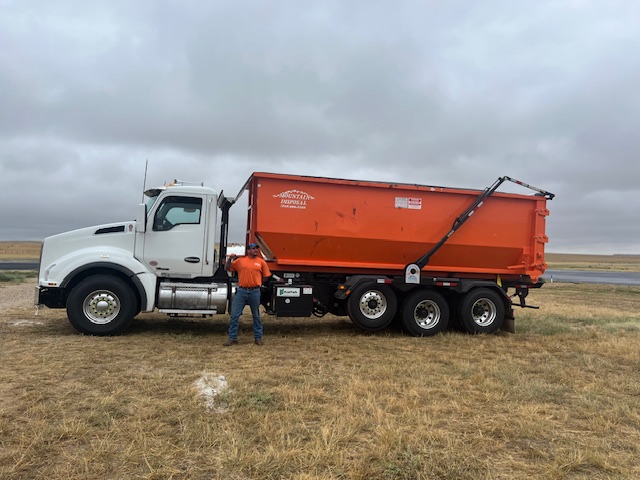
A roll-off dumpster is a large, open-top container designed for temporary use. These containers are delivered to a job site and removed once they’re full or the project is complete.
The term roll-off dumpster comes from the way the container is loaded onto a specialized truck—it literally rolls on and off the vehicle. Roll-off dumpsters are ideal for projects that generate a large amount of waste in a short period of time.
Common uses for a roll-off dumpster include construction projects, home renovations, roofing jobs, cleanouts, and demolition work.
Key Differences in Design and Function
The most noticeable difference between a standard dumpster and a roll-off dumpster is size and accessibility. Roll-off dumpsters are significantly larger and have open tops, making it easier to dispose of bulky or heavy materials.
Another major difference is how long each container stays on-site. Standard dumpsters remain permanently or long-term, while roll-off dumpsters are temporary and project-based.
Roll-off dumpsters are also delivered and picked up on demand, rather than following a regular service schedule.
When a Roll-Off Dumpster Is the Better Choice
If your project involves heavy debris, large volumes of waste, or irregular disposal needs, a roll-off dumpster is usually the best option. These containers are built to handle materials that would overwhelm a standard dumpster.
Roll-off dumpsters are commonly used for:
- Home remodels and renovations
- Construction and demolition projects
- Large-scale cleanouts
Choosing a roll-off dumpster keeps waste contained, improves safety, and allows work to continue without interruptions.
Choosing the Right Roll-Off Dumpster Size
Roll-off dumpsters come in a range of sizes to accommodate different project scopes. Selecting the right size is essential to avoid overfilling or unnecessary costs. Mountain Disposal’s roll-off dumpsters are available in two sizes: 12-yards and 30-yards.
We help customers estimate debris volume and choose a roll-off dumpster that fits their needs. A properly sized container reduces the risk of delays and ensures waste is disposed of efficiently.
Planning ahead also helps determine placement and access requirements for delivery and pickup.
Why Roll-Off Dumpsters Improve Job Site Safety
Loose debris creates hazards. A roll-off dumpster provides a centralized location for waste, reducing clutter and minimizing the risk of injuries.
By keeping materials contained, roll-off dumpsters help maintain a cleaner, more organized work area. This is especially important on construction sites where safety and efficiency go hand in hand.
Using the right container supports compliance with disposal regulations and keeps projects running smoothly.
Understanding the Right Container for the Job
Knowing the difference between a dumpster and a roll-off dumpster makes it easier to choose the right waste solution. While standard dumpsters are ideal for routine waste, roll-off dumpsters are designed for larger, short-term projects that generate significant debris.
At Mountain Disposal, we make it easy to choose and schedule a roll-off dumpster that fits your project needs. To learn more about our roll-off services, visit:
https://mountaindisposal.com/roll-offs/
Frequently Asked Questions
What is a roll-off dumpster?
A roll-off dumpster is a large, open-top container used for temporary waste disposal.
How is a roll-off dumpster delivered?
It’s delivered and picked up using a specialized roll-off truck.
Are roll-off dumpsters for residential use?
Yes, they’re commonly used for home renovations and cleanouts.
How long can I keep a roll-off dumpster?
Rental periods vary based on project needs.
What materials can go in a roll-off dumpster?
Most non-hazardous construction and cleanup debris is allowed.
Do roll-off dumpsters have lids?
No, they are open-top containers.
Is a permit required for a roll-off dumpster?
Permits may be required if placed on public property.
Can heavy materials go in a roll-off dumpster?
Yes, Concrete and heavy materials can be placed in the roll off containers. However, weight limits do apply.
How do I choose the right size?
Size depends on debris type and project scope. We can help you decide which size roll-off dumpster is best for your project.
Where can I rent a roll-off dumpster?
Mountain Disposal offers roll-off dumpster rentals.