
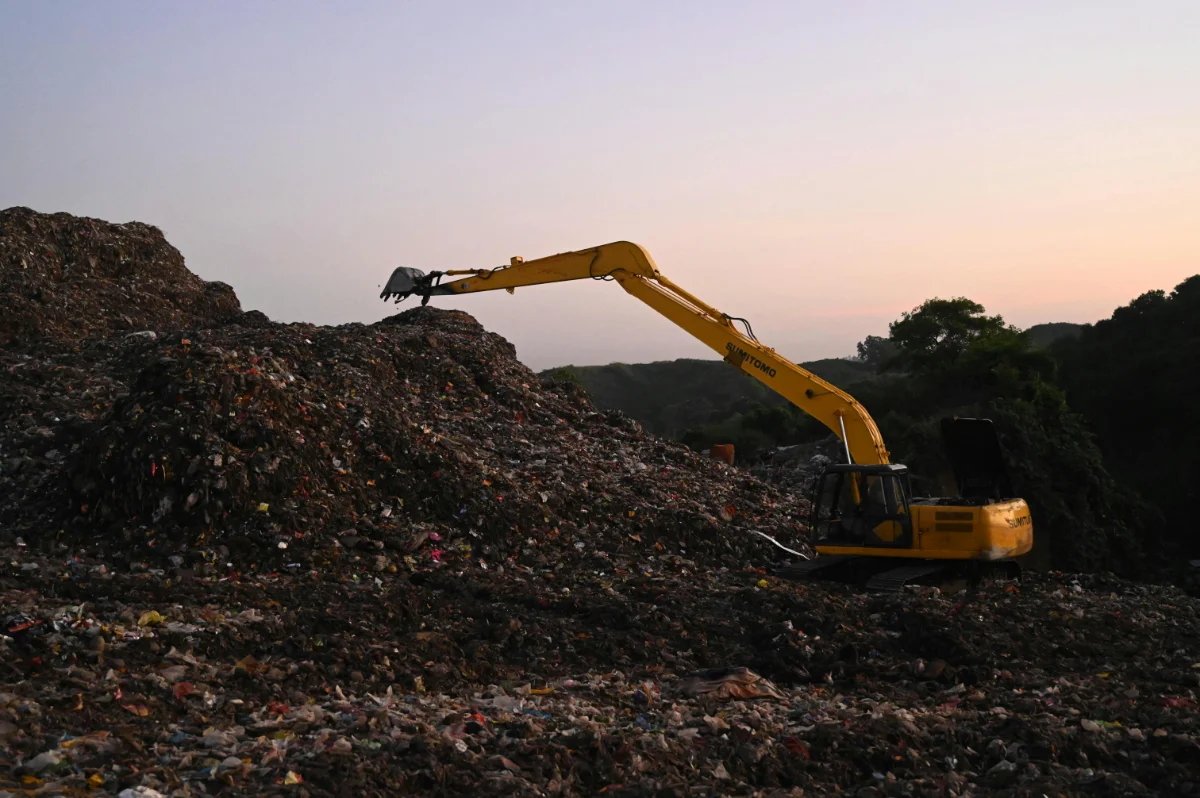
Most of us take waste disposal for granted. We place our trash in a curbside tote, roll it to the street, and trust that it disappears. But where does it actually go? Understanding what a landfill is and how it works helps us make smarter decisions about waste, recycling, and environmental responsibility.
At Mountain Disposal, we believe informed communities manage waste more effectively. When people understand what happens after curbside pickup, they’re more likely to reduce waste, recycle correctly, and use disposal services responsibly. Let’s take a closer look at what a landfill is and why proper waste handling matters.
What Is a Landfill?
A landfill is a carefully engineered facility designed to safely contain waste and prevent it from harming the environment. Unlike open dumps of the past, modern landfills are built with multiple protective systems that limit contamination of soil, air, and groundwater.
When people ask, “what is a landfill,” the simplest answer is that it’s a controlled space where waste is compacted, covered, and monitored over time. Landfills are regulated facilities with strict rules about what can be disposed of and how waste is managed.
Household trash collected from curbside totes typically ends up in a landfill if it can’t be recycled or composted.
How Landfills Are Designed to Protect the Environment
Modern landfills are designed with multiple layers of protection. These layers prevent liquids and gases from escaping into surrounding land and water sources.
A typical landfill includes:
- A liner system that prevents leaks into the ground
- A drainage system that collects liquid waste, called leachate
- Daily cover material that reduces odors and pests
These systems work together to ensure waste remains contained. Understanding what is a landfill means recognizing that it’s a managed, engineered system, not just a pile of trash.
What Happens to Trash After Curbside Pickup?
After Mountain Disposal collects trash from curbside totes, it’s transported to a transfer station called Mountain Valley Transfer. At the transfer station, waste is weighed, inspected, and directed to the appropriate area. Non-recyclable waste then makes its way to the landfill, which is designed to hold waste securely. There are many differences between a transfer station and a landfill. The biggest one is that a transfer station is a temporary stop for waste making its way to a landfill.
Each day, waste is compressed to reduce volume and then covered with soil or alternative materials. This process limits odor, prevents debris from blowing away, and discourages pests.
By using proper curbside totes and following disposal guidelines, households help ensure landfill operations remain efficient and safe.
Managing Landfill Gases and Waste Breakdown
As waste decomposes, it produces gases, primarily methane and carbon dioxide. Managing these gases is a critical part of landfill operations.
Modern facilities use gas collection systems that capture methane and either burn it off safely or convert it into energy. This reduces greenhouse gas emissions and improves overall environmental performance.
Understanding what is a landfill also means understanding how long waste remains there. Some materials break down quickly, while others may remain for decades. That’s why waste reduction and recycling are so important.
Why Not Everything Belongs in a Landfill
Landfills are designed for certain types of waste, but not everything should end up there. Recyclable materials, hazardous waste, and electronics often require specialized handling.
Placing the wrong items in curbside totes can cause contamination, damage equipment, and increase environmental risks. Knowing what can and cannot be disposed of properly helps protect landfill systems.
When residents use recycling services and follow local guidelines, landfill space is preserved for materials that truly need disposal.
How Curbside Totes Support Responsible Waste Management
Curbside totes play a key role in efficient waste collection and disposal. Properly sized totes help control waste volume and streamline collection routes.
Using curbside totes correctly reduces litter, improves safety, and ensures waste reaches the landfill in a controlled manner. This system benefits both the community and the environment.
At Mountain Disposal, our curbside tote services are designed to support responsible landfill use while encouraging better waste habits.
Understanding Landfills Helps Communities Do Better
Knowing what is a landfill and how it works gives us perspective on the importance of waste reduction and proper disposal. Landfills are essential infrastructure, but they’re not limitless.
By using curbside totes responsibly, recycling when possible, and being mindful of what we throw away, we can extend landfill life and reduce environmental impact.
To learn more about our curbside tote services and responsible waste solutions, visit:
https://mountaindisposal.com/curbside-totes/
Frequently Asked Questions:
What is a landfill used for?
A landfill is used to safely contain waste that cannot be recycled or reused.
How does trash get to a landfill?Trash is collected from curbside totes and transported to a transfer station, where it is collected, sorted, then transported to a landfill.
Are landfills environmentally safe?
Modern landfills are engineered to reduce environmental impact through liners and monitoring systems.
What happens to waste inside a landfill?
Waste is compacted, covered, and managed as it slowly decomposes.
Do landfills create pollution?
They can if not managed properly, which is why regulations are strict.
Can landfills produce energy?
Yes, methane gas can be captured and converted into energy.
Why is recycling important if we have landfills?
Recycling reduces landfill volume and conserves resources.
What should never go into curbside trash?
Hazardous waste, electronics, and certain recyclables should not go in trash.
How long does waste stay in a landfill?
Some materials remain for decades or longer.
Where can I learn about proper waste disposal?
Local providers like Mountain Disposal offer guidance and services.