
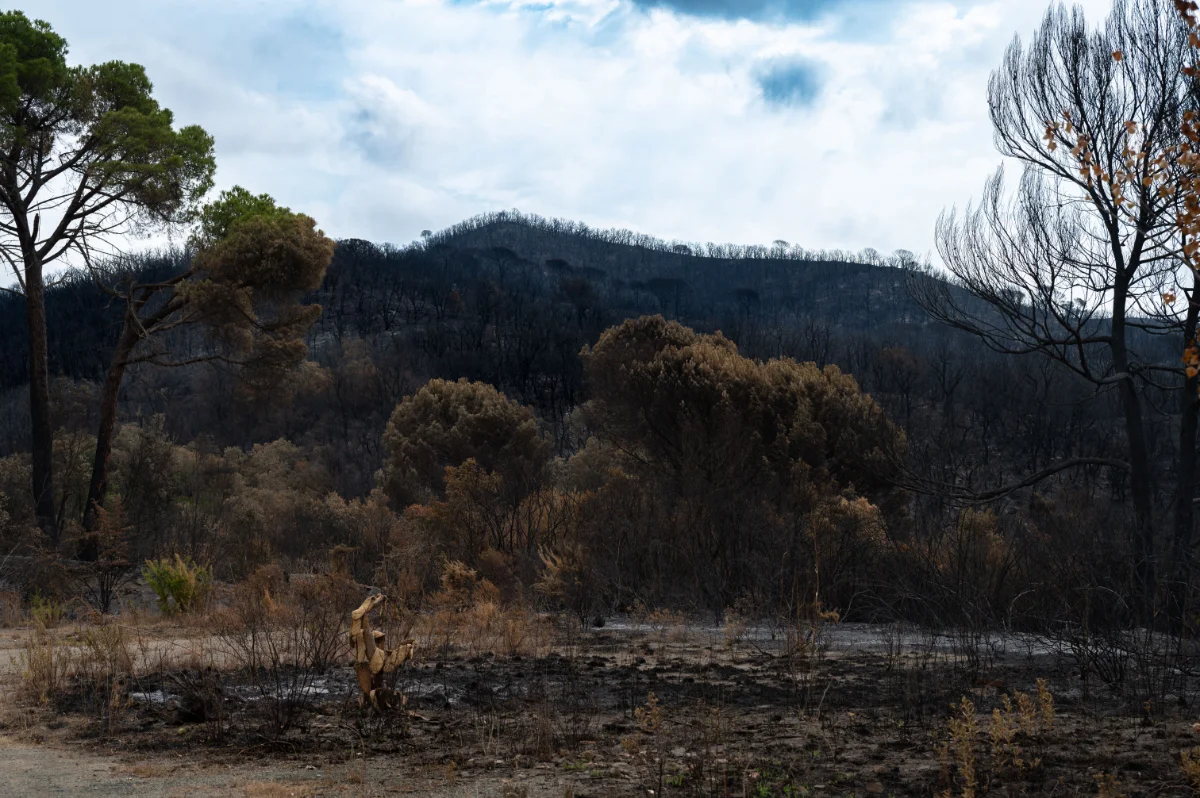
You know the feeling when an old couch finally needs to go, but one look at your household trash can tell you there is no chance it will fit. Under normal circumstances, figuring out what to do with one bulky item can take some planning. After a wildfire, like the Aspen Acres Wildfire, entire neighborhoods can face that same question on a much larger and more complicated scale.
At Mountain Disposal, we have served rural communities across Southern Colorado for nearly 30 years. We understand that post-wildfire waste management may not be the first thing people think about during recovery. But dependable waste removal can help residents, contractors, and communities move forward safely and efficiently.
Recovery Starts With Safe, Organized Debris Removal
After a major wildfire, recovery does not happen all at once. Residents may be returning to their properties; local agencies may still be assessing damage; utility crews could be restoring essential services, and contractors may be preparing for repairs or rebuilding. At the same time, damaged belongings, construction materials, household waste, and other debris can begin accumulating.
That debris creates a practical challenge during an already difficult time. Residents need appropriate places for waste, contractors need room to work, and roads and properties need to remain accessible. A dependable waste management plan helps keep materials from piling up where they interfere with the next phase of recovery.
Timing matters, but so does handling debris correctly. Post-wildfire waste management can involve materials that ordinary household trash services are not equipped or permitted to accept, and hazardous materials may require specialized handling under local or state requirements. Residents and property owners should follow guidance from local authorities about what can be removed, where it can go, and when cleanup can safely begin.
Recovery is also deeply personal. A pile of debris may look like waste to someone passing by, but to a homeowner, it can represent memories, belongings, and pieces of a familiar home. We believe waste services during recovery should reflect that reality by being straightforward, respectful, and dependable.
How Post-Wildfire Waste Management Supports Rebuilding
Effective post-wildfire waste management is about more than hauling material away. It helps create the working space communities need to repair properties and rebuild. When approved debris and nonhazardous waste have a clear destination, homeowners and contractors can spend less time figuring out disposal logistics and more time focusing on the work ahead.
This becomes especially important as rebuilding activity increases. Removing damaged household items may be followed by demolition, repairs, roofing, remodeling, or full reconstruction. Each stage can produce additional material, which means waste management is not necessarily a one-time need after a wildfire.
For larger cleanup and rebuilding projects, dumpster and roll-off container services can give approved materials a designated place on the property. Instead of creating scattered piles that eventually need to be moved again, crews can place appropriate debris into a container as work progresses. That simple step can make a busy jobsite easier to organize.
Dependable container service also helps projects maintain momentum. Contractors often coordinate multiple trades, equipment deliveries, inspections, and material shipments. Having a practical disposal solution available reduces one source of uncertainty and gives crews a clearer path for managing waste as it is generated.
The goal is not simply to make debris disappear. It is to support an orderly transition from cleanup to rebuilding, one property and one project at a time.
We Know Southern Colorado
Local knowledge matters here. Mountain Disposal has served Pueblo, Huerfano, and Custer Counties since 1989. We not only work here, but live here too. Our team and office were part of the wildfire evacuations and now we stand with our communities as we rebuild together.
That is why reliable coordination can make such a difference. Residents should not have to guess how an oversized item will leave their property while they are already dealing with repairs, paperwork, contractors, and the countless decisions that follow a wildfire. We can help with bulk pickup, which is for items too big to fit into a garbage can. We also rent dumpsters and roll-off dumpsters for large cleanup efforts or remodeling projects.
Nearly three decades of serving Southern Colorado have taught us that rural communities know how to show up for one another. Recovery after a wildfire can stretch from the first days of cleanup through months or even years of repairs and rebuilding. Needs change along the way, and dependable local services can help communities adapt.
Mountain Disposal’s role is practical. We provide post-wildfire waste management for the materials we are equipped and permitted to handle, including roll-off dumpsters for larger projects. We also work to make the process clear so residents and contractors know what to expect.
Post-Wildfire Waste Management Is a Community Recovery Effort
No single business or organization rebuilds a community after a wildfire. Recovery works best when local governments, emergency officials, disposal providers, contractors, property owners, nonprofit organizations, and residents communicate and work toward the same goal. Waste management is one piece of that larger effort.
Local governments and public agencies may establish temporary cleanup programs, collection locations, disposal guidance, or other resources after a major event. Residents should pay attention to official instructions because post-fire debris can require different handling depending on the materials involved. Public resources may also change as recovery progresses, so current local guidance should always take priority.
Private waste services like Mountain Disposal can complement those community resources. Once materials have been cleared for appropriate disposal, property owners and contractors may need ongoing support for household cleanouts, bulky items, or construction debris. Mountain Disposal can help customers determine which of our disposal services may fit their particular project.
Clear communication also prevents avoidable delays. Before placing materials in one of our roll-off containers or arranging bulk pickup, you should confirm what we can accept. That helps keep collection safe and reduces the chance that prohibited or specially regulated materials enter the normal waste stream.
When everyone handles their part responsibly, recovery becomes more manageable. It may still take time, but coordinated cleanup helps create safer, more organized spaces where rebuilding can continue.
Moving Forward, One Cleanup at a Time
Recovering from a wildfire involves both emotional and practical work.You may be sorting through damaged belongings while making decisions about repairs, contractors, insurance, and what comes next. Having a clear way to manage approved waste cannot solve every challenge, but it can remove one complication from an already demanding process.
That is where reliable post-wildfire waste management provides real value. Timely removal of eligible debris and large items helps properties stay organized, gives contractors room to work, and supports the gradual transition from cleanup to rebuilding. It also means residents do not have to find their own solution for every oversized item or pile of project debris.
Need help after the Aspen Acres Wildfire? Mountain Disposal can help you handle it and keep your cleanup moving. Explore our waste disposal services and get started today.
Frequently Asked Questions:
What is post-wildfire waste management?
Post-wildfire waste management is the organized collection and disposal of appropriate waste and debris during community recovery. It can include approved household items, bulky waste, and certain materials generated during repair or rebuilding projects.
Why is waste removal important after a wildfire?
Waste removal can help keep properties and work areas more organized as residents and contractors begin recovery. Proper disposal also helps prevent approved debris from unnecessarily interfering with access and rebuilding activity.
Can all wildfire debris go into a dumpster?
No. Some wildfire debris may contain hazardous or regulated materials that require specialized assessment, handling, or disposal. Always follow local government guidance and confirm acceptable materials with the waste provider before using a dumpster.
How do roll-off dumpsters support wildfire recovery?
Roll-off dumpsters can provide a central location for eligible debris generated during cleanup, repairs, and rebuilding. They help contractors and property owners keep appropriate waste contained while work progresses.
When should I arrange a roll-off dumpster for rebuilding?
Consider arranging a roll-off when an approved cleanup, repair, or construction project will generate more eligible debris than standard household service can reasonably handle. Coordinating the container before work begins can make disposal easier as the project moves forward.
How can residents support responsible wildfire recovery?
Follow current instructions from local authorities, separate materials when required, and use appropriate disposal services for approved waste. Coordinated post-wildfire waste management can help residents, contractors, and community organizations support a more orderly rebuilding process.