
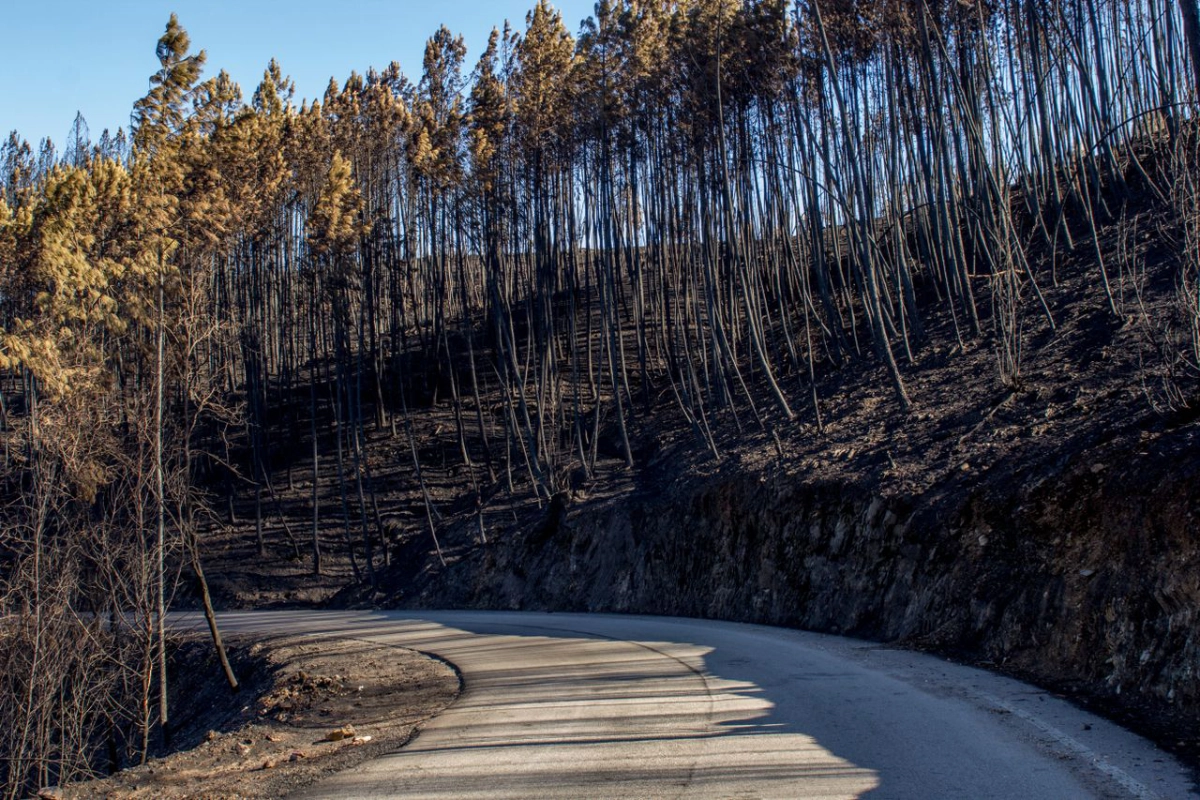
For some families in our communities, the day they’ve been waiting for has finally arrived. A change to return home after the Aspen Acres Fire. Certain communities are no longer under an evacuation mandate after officials gave the all-clear. While it’s understandable to feel relieved, it’s also normal to feel anxious about what you’ll find when you get there.
Returning home after a wildfire can be an emotional experience. Even if your home was not directly damaged by the fire, you may encounter smoke residue, fallen trees, spoiled food, ash, or other hazards that require your attention. Taking a thoughtful approach can help keep you and your family safe while making the cleanup process more manageable.
We understand at Mountain Disposal. Our building and the homes of many of our employees are under evacuation due to the Aspen Acres Fire. Here are some important steps to take after you’ve been given the all clear. (We will keep these tips in mind ourselves!)
Confirm That Your Area Is Open for Re-Entry
Before heading home, verify that your neighborhood has officially been reopened. Re-entry often happens in phases, and some roads or communities may remain closed while emergency crews continue their work.
Check updates from your county emergency management office, local law enforcement, or official fire information sources before traveling. Road closures, utility repairs, and other safety concerns can change quickly.
Following official guidance helps protect both residents and emergency personnel working in the area.
Approach Your Property Carefully
When you are returning home after a wildfire, take a slow walk around your property before entering your house.
Look for hazards such as:
- Downed power lines
- Smoldering vegetation
- Fallen trees or limbs
- Damaged gas meters
- Broken windows
- Loose roofing materials
- Unstable fences or outbuildings
If you notice structural damage, smell gas, or believe your home may be unsafe, leave the area immediately and contact the appropriate utility company or emergency officials.
Never assume everything is safe simply because the evacuation order has been lifted. Returning home after a wildfire can come with dangers that aren’t immediately obvious.
Document Everything Before You Begin Cleaning
If your property has sustained any damage, take photographs and videos before moving or throwing anything away.
Document:
- Exterior damage
- Interior rooms
- Smoke or soot damage
- Landscaping
- Fencing
- Vehicles
- Personal belongings
Detailed documentation can make the insurance claims process much smoother. Even items that appear minor may become important later when filing a claim.
If possible, keep a written list of damaged or discarded items along with estimated values.
When Returning Home After a Wildfire, Check Your Utilities
Before using electricity, natural gas, or water, inspect your home for signs of damage.
If the power has been restored after an extended outage, clean out all spoiled food in your refrigerators and freezers before plugging appliances back in. Do not consume anything inside. It will all have to be thrown away.
If you suspect any utility problems, contact your service provider rather than attempting repairs yourself.
Wear Protective Gear During Cleanup
Even if your home escaped direct fire damage, wildfire ash and smoke residue can affect air quality and create health concerns.
When cleaning, consider wearing:
- Gloves
- Safety glasses
- Long sleeves and pants
- Closed-toe shoes
- An N95 mask or similar respirator if ash or smoke particles are present
Avoid using leaf blowers to remove ash, as they can send fine particles back into the air. Instead, lightly dampen ash before sweeping and follow any local recommendations for disposal.
Cleanup kits are available from the American Red Cross of Colorado, which provide personal protective equipment and supplies to protect yourself as you assess your properties. Cleanup kits can be picked up at reentry stations and the disaster assistance center.
Sort Debris Before Throwing It Away
Wildfire cleanup often creates more waste than a typical weekly trash pickup can handle.
Separate materials into categories whenever possible:
- Household trash
- Spoiled food
- Yard debris
- Construction materials
- Appliances
- Electronics
- Household hazardous waste such as paint, chemicals, batteries, or propane cylinders
Some materials require special disposal and should never be placed in your regular curbside container. If you’re unsure how to dispose of certain items, please read this information.
Be Realistic About Your Cleanup Needs
For some homeowners, cleanup may involve little more than washing outdoor furniture and replacing food from the refrigerator. Others may be removing damaged fencing, replacing roofing materials, or beginning larger restoration projects.
If your cleanup will generate more waste than your regular curbside service can accommodate, planning ahead can save time and reduce frustration.
A roll-off dumpster can provide a convenient location for construction debris, damaged materials, landscaping waste, and other bulky items generated during the recovery process. Having adequate disposal capacity allows cleanup crews and homeowners to work more efficiently without creating piles of debris around the property.
Check In With Your Neighbors
Wildfires affect entire communities, not just individual homes.
As you settle back in, take a few moments to check on nearby neighbors, especially older adults or those who may need assistance. Some families may have returned to significant damage, while others may simply appreciate help moving branches or hauling debris.
Recovery is often easier when neighbors support one another.
Give Yourself Time to Adjust
Returning home can bring a mixture of relief, gratitude, sadness, and stress. Even if your home was spared, the experience of evacuation can leave lasting emotional effects.
It’s okay if everything doesn’t feel normal right away. Focus on one task at a time, celebrate small accomplishments, and don’t hesitate to accept help from family, friends, or community organizations.
Recovery is a process, and everyone moves through it at their own pace.
At Mountain Disposal, our hearts are with every family impacted by the Aspen Acres Fire. As Southern Colorado communities begin rebuilding and recovering, we’re committed to providing dependable waste and disposal services to help make cleanup as smooth as possible. Whether you need your regular curbside service, additional waste collection, or a roll-off dumpster for larger cleanup projects, our team is here to support our neighbors every step of the way.
Returning home after a wildfire marks the beginning of a new chapter. With patience, preparation, and the support of your community, each day brings another step toward recovery.