
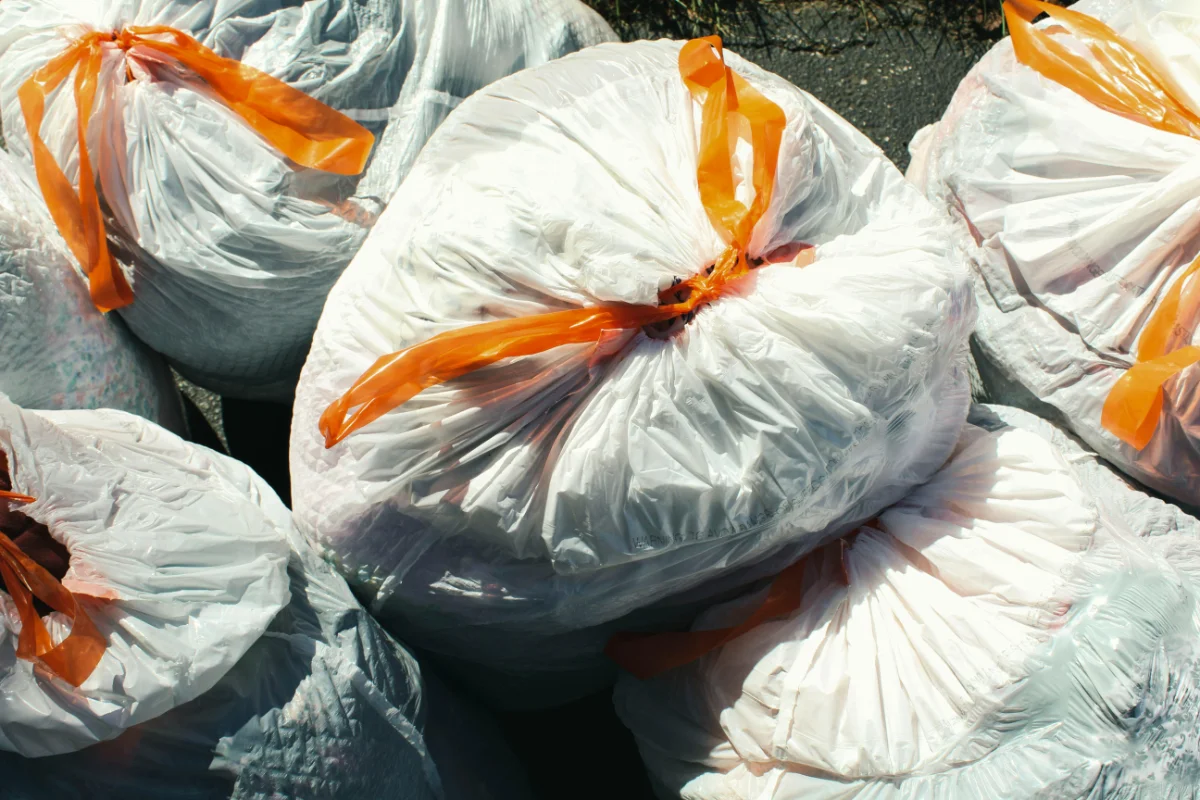
Once your trash is picked up by a Mountain Disposal truck from your home or business, you probably don’t think about it again. What happens after your trash is in one of our trucks? It goes to a transfer station. But what is a transfer station? And more importantly, how does it affect your everyday trash service?
If you live in rural Pueblo County, Huerfano County, Custer County, or the San Luis Valley, transfer stations play a bigger role in your trash pickup than you might realize.
At Mountain Disposal, we believe understanding how waste moves through the system helps our communities appreciate the infrastructure that keeps Southern Colorado clean.
What Is a Transfer Station, Exactly?
A transfer station is a facility where waste is temporarily dropped off, consolidated, and reloaded before being transported to a landfill or processing site. Think of it as a stopping point, not the final destination.
Instead of garbage trucks driving long distances to a landfill every time they fill up, they bring collected waste to a transfer station. There, the waste is compacted and loaded into larger transport vehicles for more efficient hauling.
This system:
- Saves fuel
- Reduces transportation costs
- Improves route efficiency
- Keeps rural service viable
In large metro areas, trucks may go directly to landfills. But in rural Southern Colorado, transfer stations are essential to consolidate waste efficiently.
Mountain Valley Transfer
Mountain Valley Transfer, owned by Mountain Disposal, is a transfer station where people can bring their trash. Anyone can bring their trash to Mountain Valley Transfer, whether you are a Mountain Disposal customer or not. Residents throughout Southern Colorado can drop off their trash in bags, trailers, or pickup trucks. The facility is open to the public for a fee, and you do not need to be a Mountain Disposal customer to use it. Waste brought to the site is not stored there long term. Instead, it is sorted and then hauled to a landfill for final disposal.
Are Transfer Stations the Same as Landfills?
No, and that’s an important distinction. A transfer station is a temporary holding and consolidation facility. A landfill is the final disposal site.
At a transfer station:
- Waste does not stay long-term.
- It is not buried.
- It is prepared for transport.
Understanding this difference helps clarify why transfer stations are such an important part of the waste management chain in Southern Colorado.
Key Characteristics of a Transfer Station
Temporary Waste Collection
A transfer station holds waste for a short period before it is transported to a landfill. Most materials stay on site only a few days before being loaded onto larger trucks for shipment.
Convenience and Accessibility
Transfer stations provide a practical, easy-to-reach option for residents and businesses to dispose of waste, especially in rural or remote areas where landfills may be far away. For many communities, facilities like Mountain Valley Transfer are the most convenient drop-off locations.
Environmental and Cost Efficiency
By combining waste into larger loads at the transfer station, Mountain Disposal reduces the number of trips required to the landfill. Fewer trips mean lower fuel use, reduced emissions, and more cost-effective waste management.
Why Transfer Stations Matter in Rural Communities
Serving metro areas with waste management is one thing. Serving rural areas in remote parts of Custer County and Pueblo County or the San Luis Valley is another.
Distances between homes can be significant. Terrain varies. Weather conditions shift quickly.
Without transfer stations, trucks would spend most of their time driving back and forth to distant disposal sites, which would increase costs for everyone.
Transfer stations allow us to:
- Complete local collection routes efficiently
- Keep curbside service consistent
- Maintain affordable pricing
- Minimize environmental impact from long-haul trips
For rural communities, this system isn’t optional. It’s necessary.
What Happens to Your Trash After Pickup?
Once we collect waste from your curbside tote, here’s what typically happens:
- It’s transported to the transfer station.
- The waste is unloaded and consolidated.
- Larger vehicles haul it to a permitted landfill or disposal facility.
Transfer stations are designed with safety and environmental controls in place. Materials are handled according to local and state regulations.
The goal of utilizing transfer stations is simple: move waste efficiently and responsibly.
How Transfer Stations Support Reliable Curbside Service
Our ability to provide dependable curbside tote pickup depends on efficient backend systems.
Transfer stations allow us to:
- Keep trucks moving on schedule
- Reduce downtime
- Avoid excessive fuel costs
- Maintain predictable service routes
Without that infrastructure, trash collection in rural Colorado would look very different, and likely cost much more.
When you set your trash can at the curb or the end of your driveway, there’s an entire coordinated system behind the scenes making sure service stays consistent.
Learn More About Your Curbside Service
Understanding what a transfer station is gives you a clearer picture of how your waste is handled after pickup.
If you’re interested in starting or learning more about curbside tote service, visit:
https://mountaindisposal.com/curbside-totes/
We’re committed to reliable, friendly service, backed by the infrastructure that keeps rural communities running smoothly.
Frequently Asked Questions
What is a transfer station used for?
A transfer station is used to temporarily collect and consolidate waste before transporting it to a landfill. It helps improve efficiency by reducing long-distance travel for smaller collection trucks.
Is a transfer station the same as a landfill?
No. A transfer station is not a final disposal site. Waste is only held temporarily before being moved to a permitted landfill or processing facility.
Why are transfer stations important in rural areas?
In rural regions like Southern Colorado, long travel distances make direct landfill trips inefficient. Transfer stations reduce fuel use and help keep service affordable.
Does my trash stay at the transfer station?
No. Waste is consolidated and then transported to its final disposal site. It does not remain there permanently.
Are transfer stations regulated?
Yes. They operate under local and state regulations designed to ensure environmental and safety compliance.
Can Southern Colorado residents bring trash directly to a transfer station?
Yes, anyone may bring their trash right to Mountain Valley Transfer, for a fee.
How does a transfer station help the environment?
By consolidating loads and reducing long-haul trips, transfer stations lower fuel consumption and emissions associated with waste transport.
Does using a transfer station increase costs?
Actually, it often helps control costs by improving route efficiency and reducing transportation expenses.
How do I start curbside trash service?
You can contact us or visit our curbside tote page to learn about service options in your area.